

A landscape shaped by man
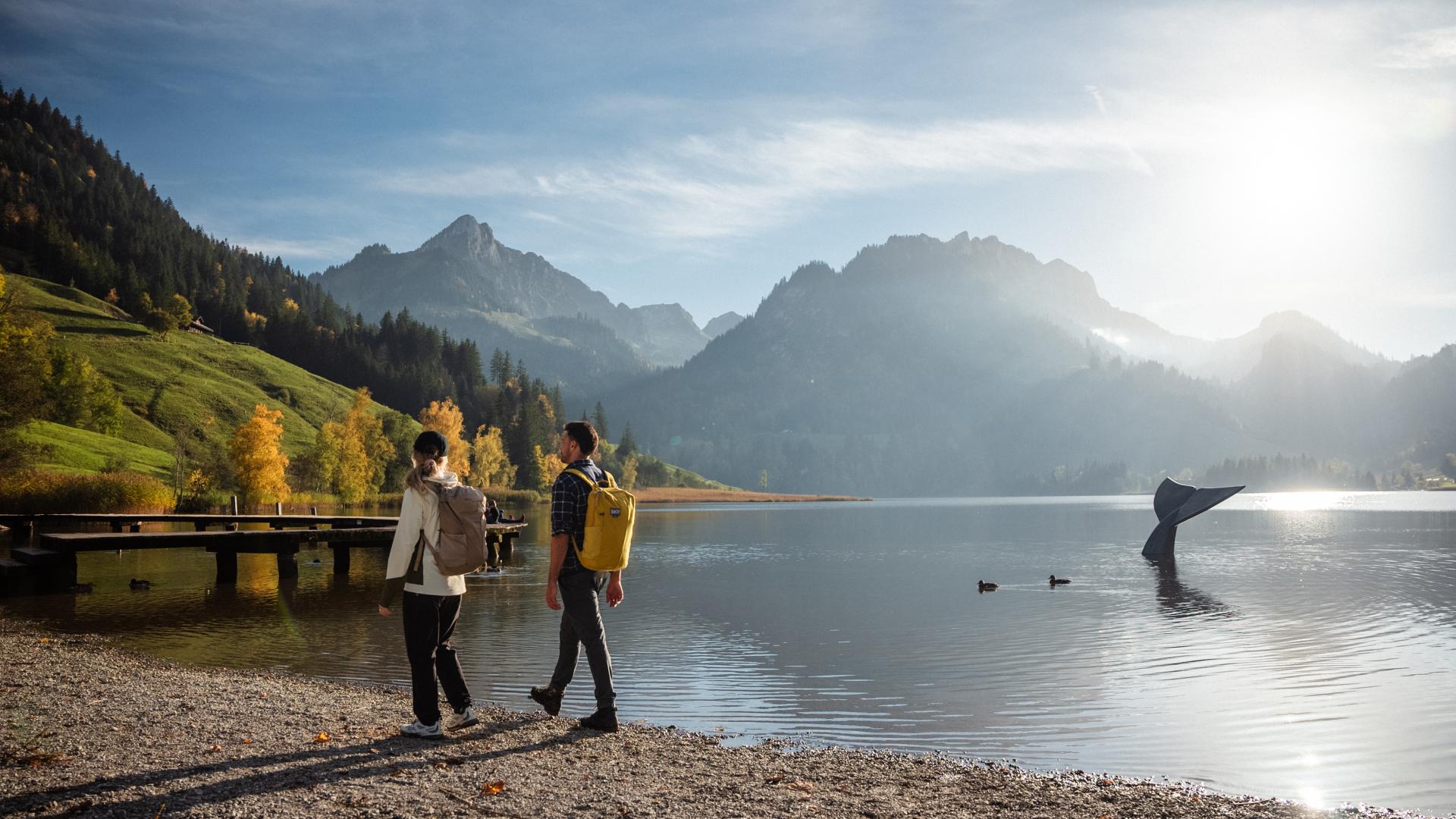
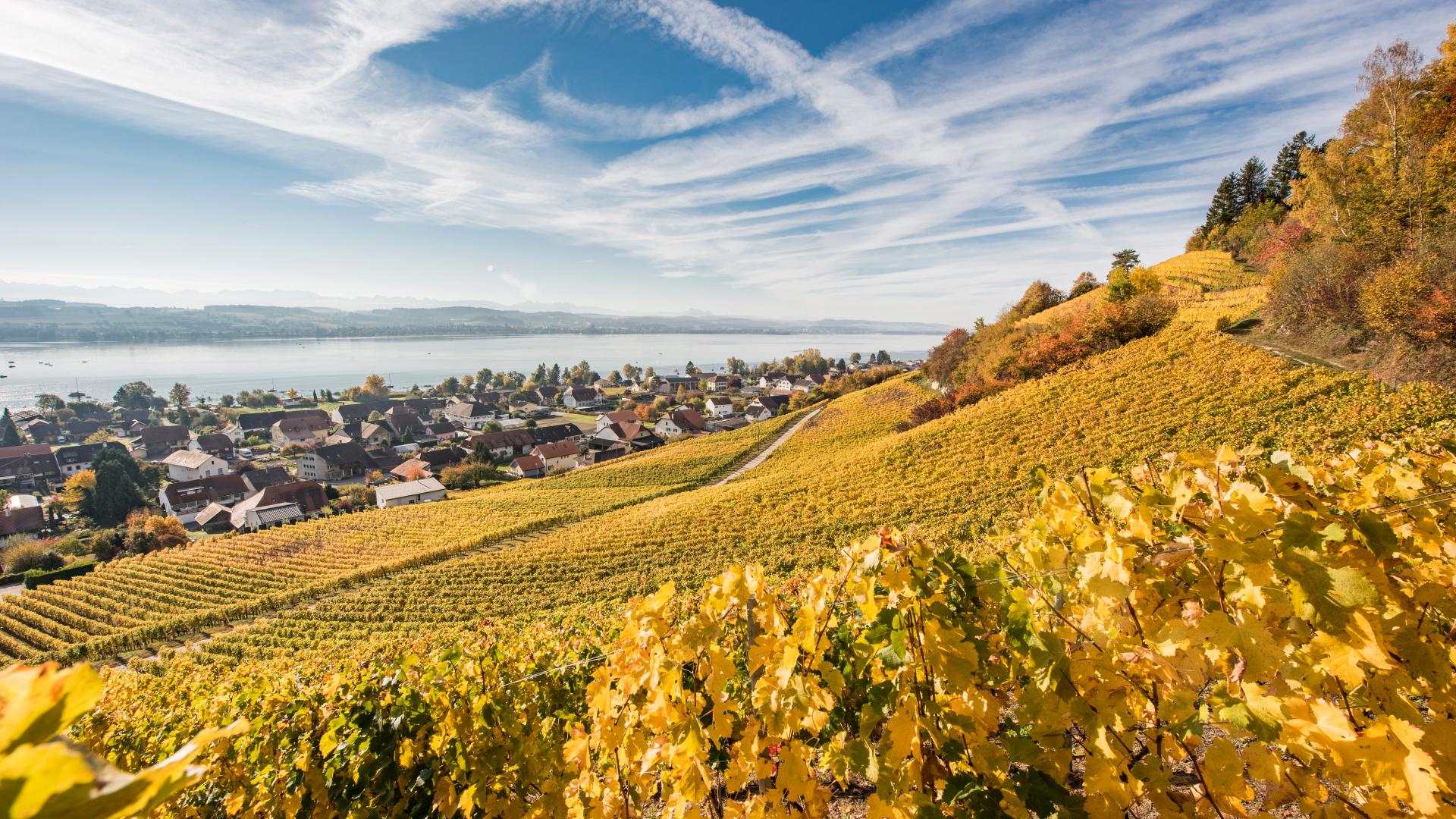
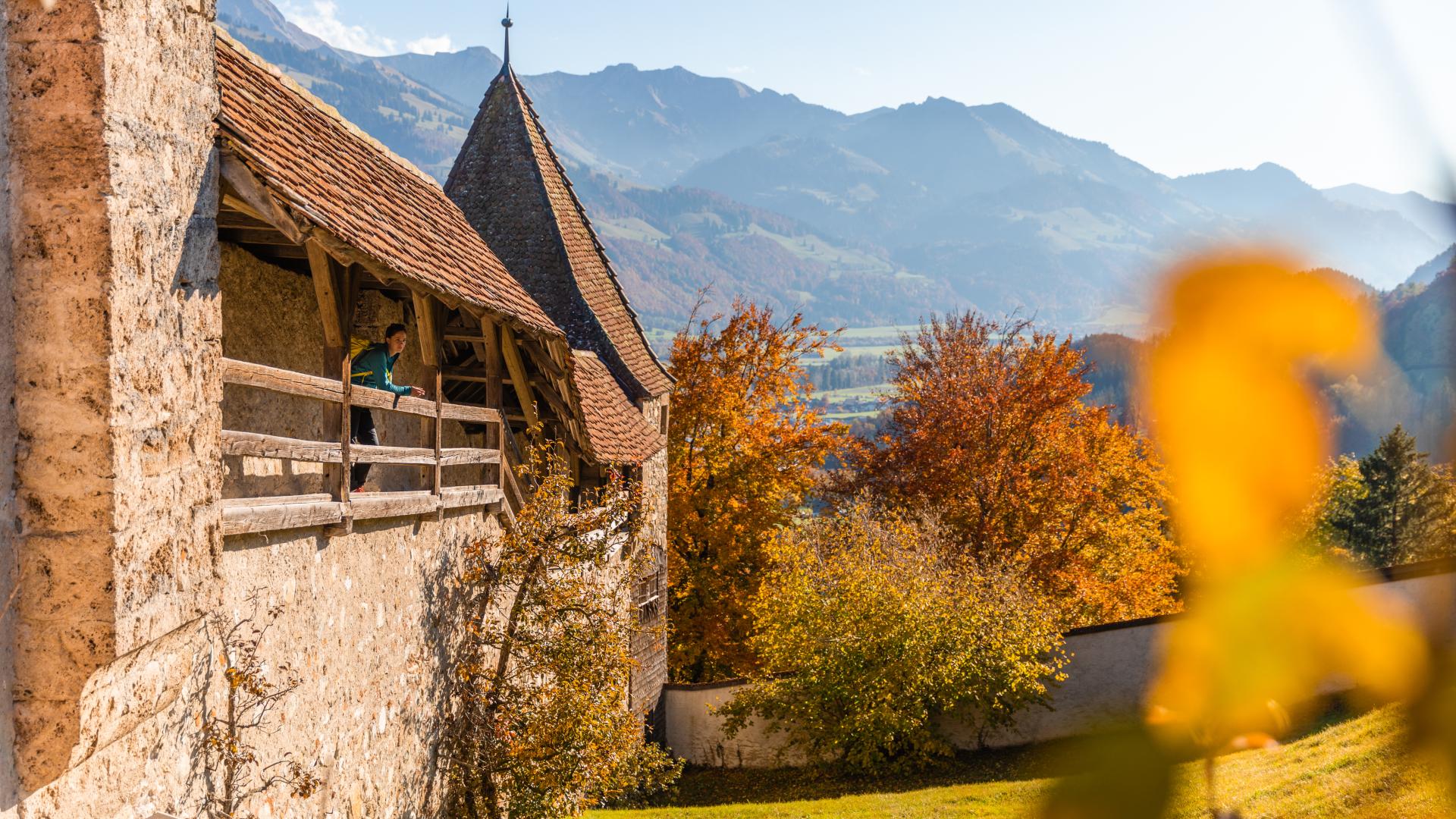
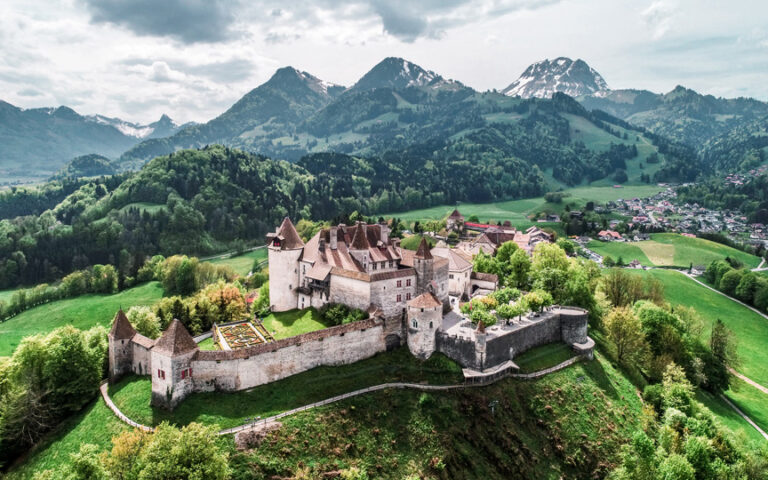
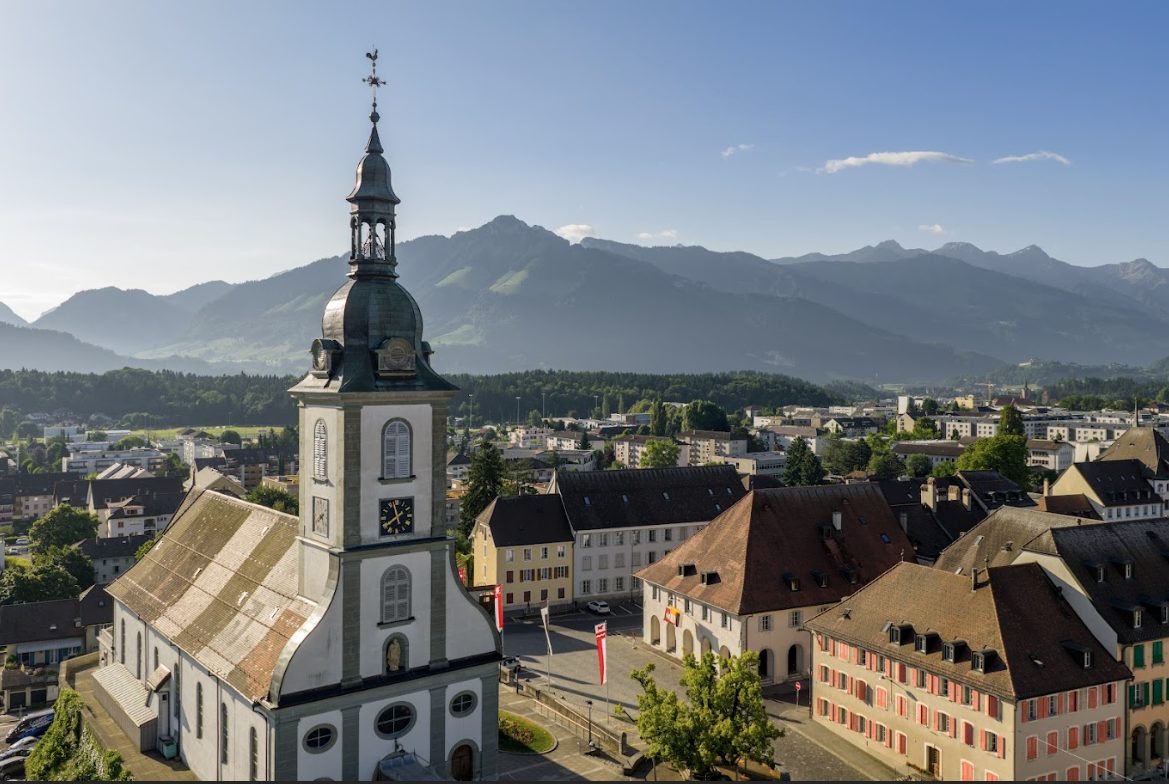
The area around the church offers an interesting viewpoint over the Gruyère landscape. This region, renowned for its peaks and vast pastures, is built upon a fascinating geological and human history. Its mountains originate from an ancient marine sedimentary layer, rich in fossils such as ammonites, which was uplifted and folded under tectonic pressure. Later, glacial erosion sculpted the deep valleys we know today. Since Celtic and Roman times, human imprint has discreetly inscribed itself in this landscape through toponymy, ancient tumuli, and some preserved primeval forests.
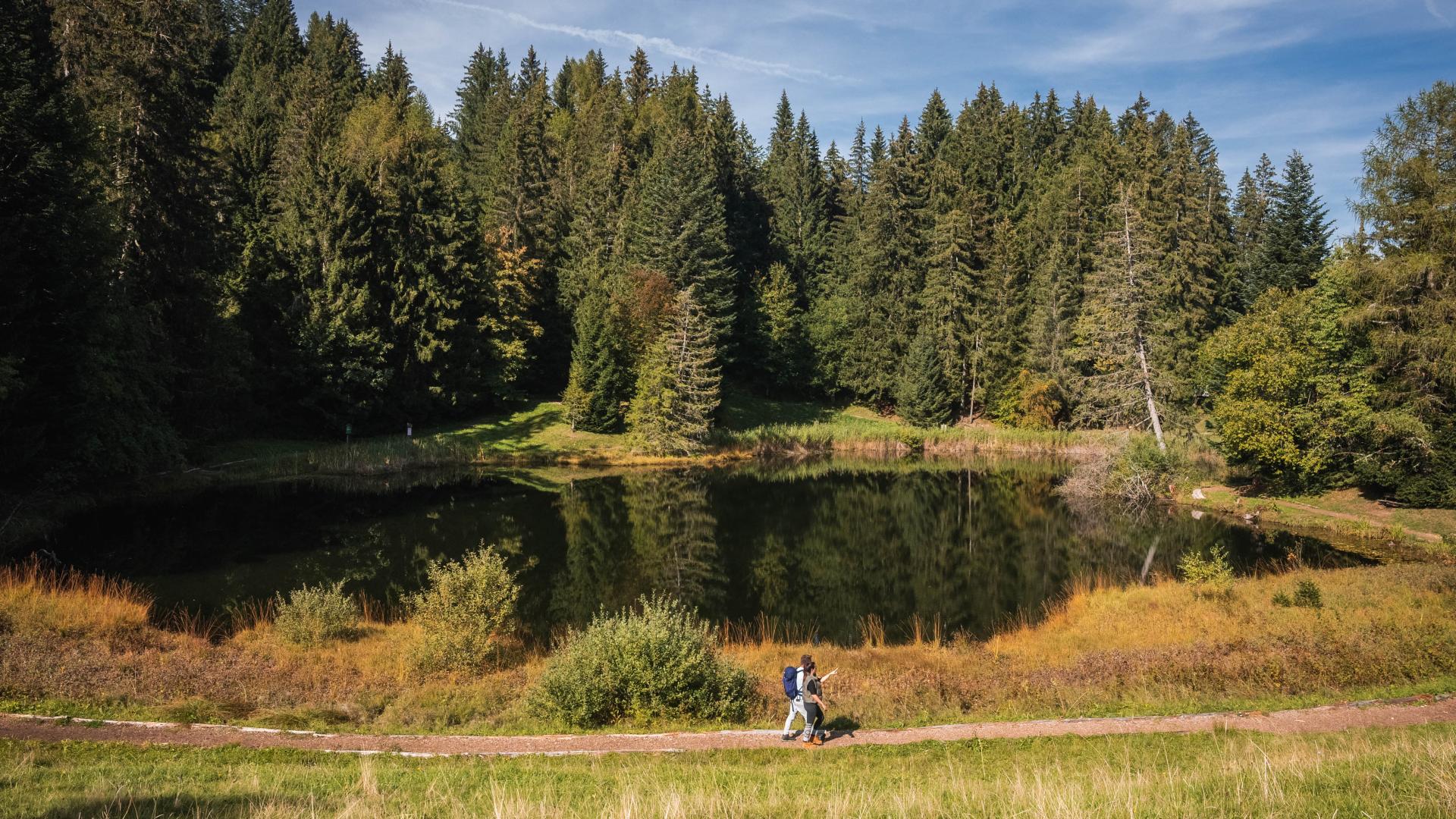
The forested massifs, long predominant, housed a wide variety of tree species adapted to the mid and high mountain climate. At altitude, conifers largely dominated the landscape. The spruce, or red fir, stood out as the most widespread tree due to its resistance to cold and acidic soils, providing valuable wood for construction and lutherie. It coexisted with the silver fir in shadier areas, the larch on sunny slopes at high altitudes, and the Scots pine on the poorest grounds. At lower altitudes and on well-exposed slopes, deciduous trees took over. The beech formed dense forests below 1,200 metres, while the sycamore, ash, and oak thrived in the clearings, wetlands, and rich valley floors. Finally, pioneer species such as birch, alder, and rowan colonised the transitional spaces.
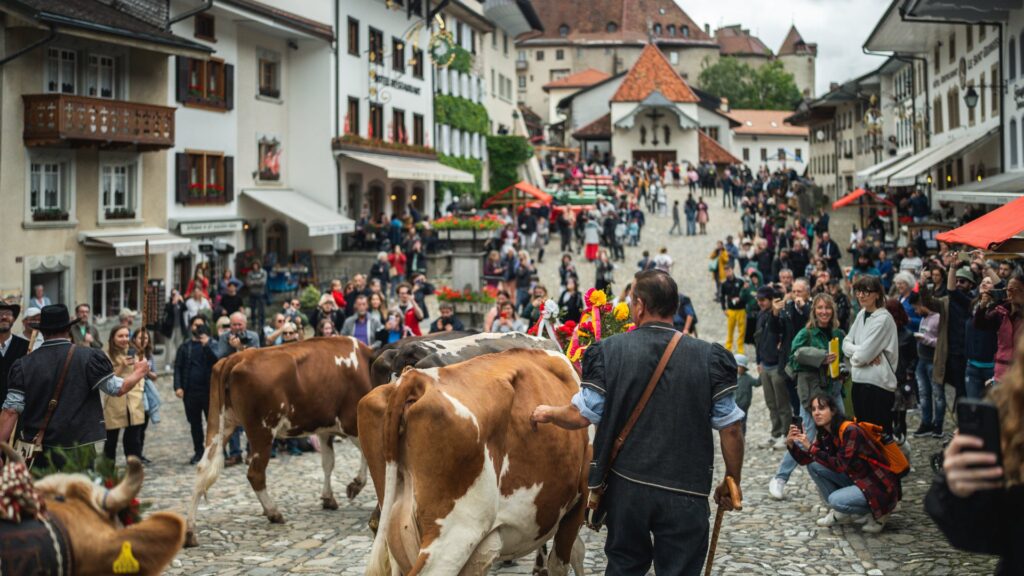
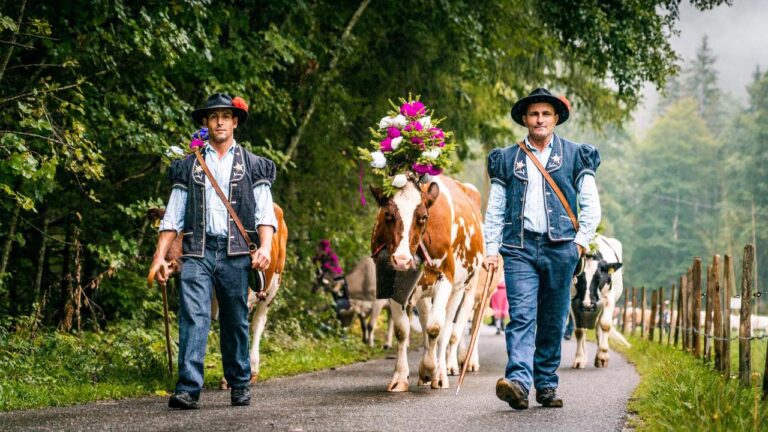
Until the late Middle Ages (1300-1450), this forest mosaic occupied most of the territory. However, from the 14th century onwards, population growth and the development of cattle farming led to significant deforestation. To enlarge mowing areas and create ciernes – mountain pastures reclaimed from the forests – inhabitants massively felled trees. This wood also served as fuel and building material. The creation of these mid-altitude pastures allowed herds of sheep to ascend first, followed by cattle, during the summer to find seasonal grazing and produce dry fodder (hay) around the lowland farms. Even today, 26,000 cattle ascend to the alpine pastures each spring for four months of summer grazing. Around forty alpine chalets still produce Gruyère, Vacherin, and Sérac. The other chalets are used for the high-altitude grazing of heifers and suckler cows. A few alpine pastures are still exploited for sheep grazing. In 2023, this living tradition of the “Swiss Alpine Season” was inscribed on the UNESCO intangible cultural heritage list. Initiated in 2012 by the Gruyère Museum, this listing is a commitment to do everything possible to ensure the long-term preservation of this centuries-old alpine economy.
In response to the depletion of resources, the authorities acted as early as the 16th century by instituting strict regulations to govern logging, limit grazing rights, and encourage replanting, thus laying the foundations for sustainable management.
However, this exploitation dynamic intensified in the 19th century with the rise of industrial deforestation, a period during which conifers were massively favoured during reforestation due to their rapid growth and perfectly straight trunks, particularly suited to the demands of modern industry.
Today, the forest has reclaimed an essential place in the Gruyère landscape, particularly on the steep slopes abandoned by agriculture. It now plays a fundamental ecological role in stabilising soils and limiting natural risks such as avalanches, floods, and landslides. While hosting a rich biodiversity, it has become a space for relaxation, walking, and environmental awareness, illustrating a harmonious balance between human exploitation and nature preservation.
Information
Musée gruérien
Rue de la Condémine 25
1630 Bulle
La Gruyère Tourisme
Centre commercial Velâdzo (rez inférieur)
Place de la Gare 3
1630 Bulle